
Why Holistic Education Matters More Than Marks
Marks measure a moment. Holistic education builds the child who will outlive that moment.
There was a time when a report card felt like the whole story of a child. A column of numbers, a rank, a signature — and from that, parents were expected to know how their child was doing in life.
We meet families every admission season who quietly sense that the story is bigger than that. Their child may be a careful listener, a fearless performer, the first to help a classmate who fell in the corridor. None of that appears in a percentage.
A school's real result is not what a child scores in March. It is who the child becomes by the time they leave the gate for the last time.
What holistic education actually means
Holistic education is not an extra period on the timetable or a once-a-year activity day. It is a way of designing the school day so that the mind, the body, the heart and the character of a child are all being taught at the same time — deliberately, and by people who are watching closely.
- Academic depth — strong reading, reasoning and enquiry, taught for understanding rather than recall.
- Physical wellbeing — daily movement, sport and rest treated as learning, not as a break from it.
- Emotional literacy — children given the vocabulary to name what they feel and the safety to say it.
- Creative expression — art, music, theatre and making, where there is no single correct answer.
- Character and service — honesty, responsibility and kindness practised, not merely displayed on a wall.
Why it produces better results, not fewer
Parents sometimes worry that a broader education dilutes academics. In our experience the opposite is true. A child who sleeps well, moves daily, feels understood by an adult at school and has one arena where they feel genuinely good at something walks into an examination hall steadier than a child who has only been drilled.
Confidence is not decoration. It is what allows a nervous eleven-year-old to attempt the question she is unsure about instead of leaving it blank.
How this looks in a school week
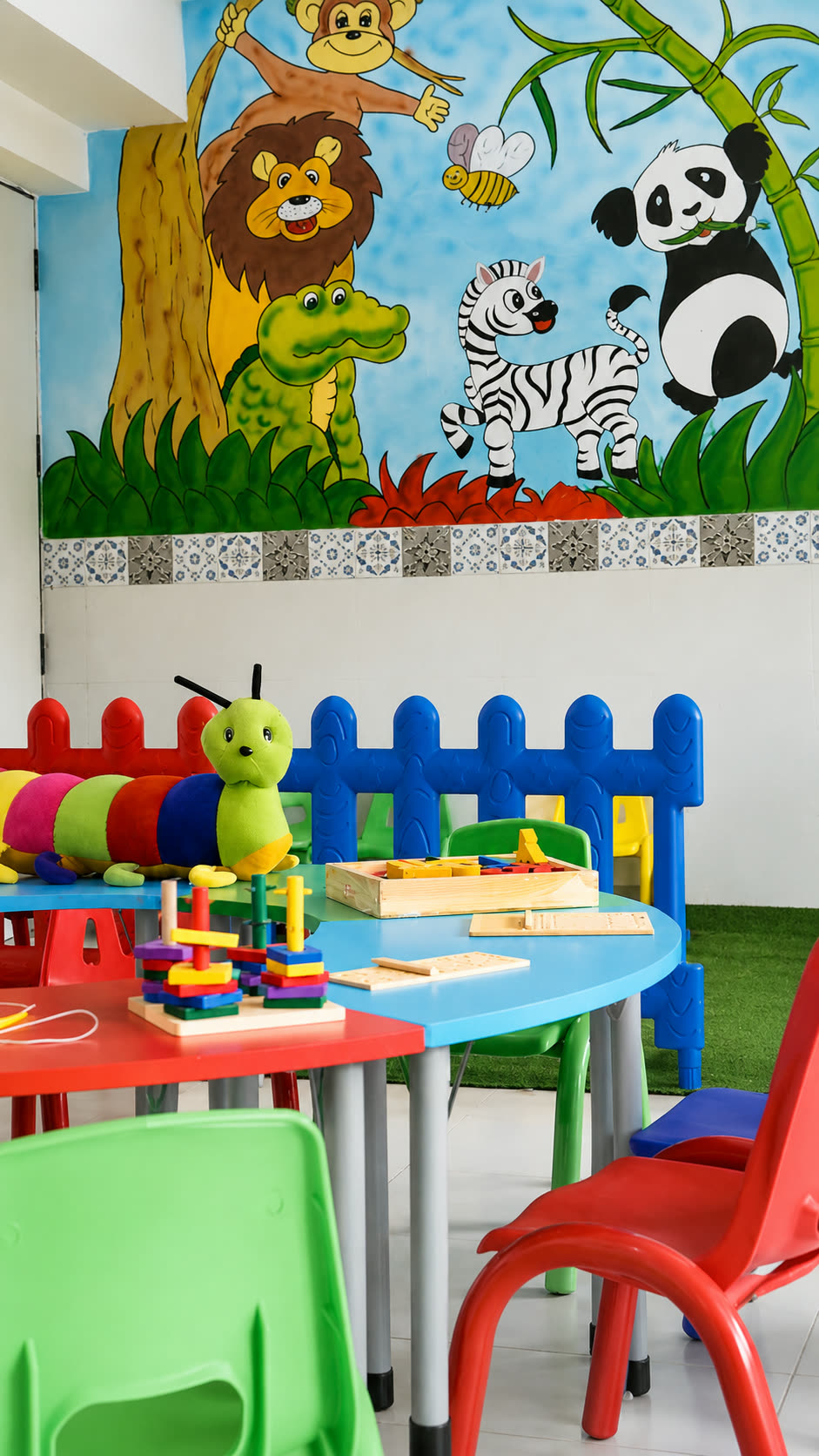
In the Early Years, it looks like play that is quietly structured — sorting, storytelling, sand and water, and teachers who narrate a child's thinking back to them. In the Primary years, it looks like projects that end in something real: a class newspaper, a garden, a play performed for parents. In Senior School, it looks like students choosing responsibility — houses, clubs, community work, mentoring the younger ones.
Across all of it runs the same thread: an adult who knows the child well enough to notice a change in them.
What parents can do at home
- Ask about the day, not the marks — "what was interesting today?" opens more than "how much did you get?"
- Protect sleep and unstructured time as fiercely as you protect study hours.
- Let your child be a beginner at something in front of you. Watching an adult be bad at something and continue anyway is a lesson.
- Praise the effort and the choice, not the talent.
Marks will still matter, and we will still work hard for them. But they are the by-product of a childhood well taught — never the point of it.